
Notifications
Clear all
Season III
2
Posts
2
Users
0
Reactions
88
Views

 45
45
Topic starter
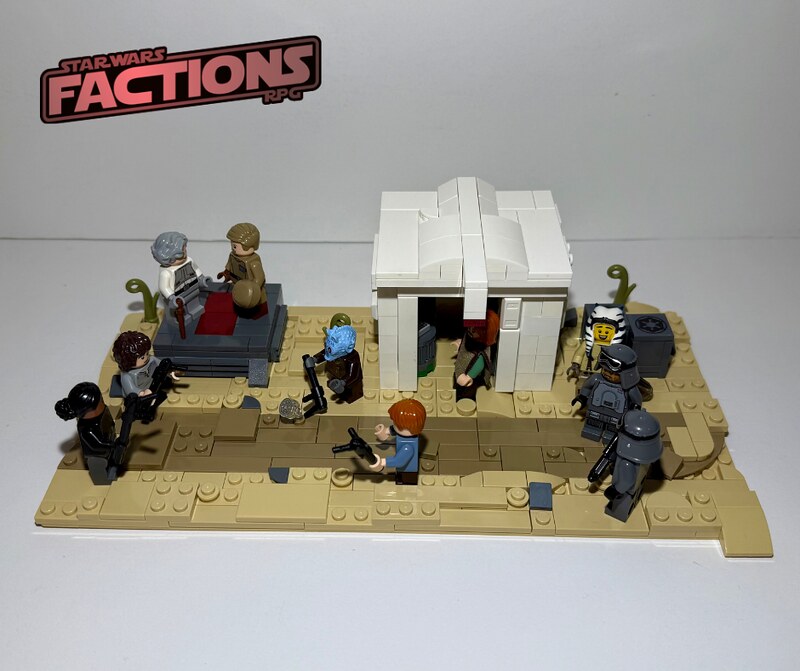
Despite the bureaucracy surrounding them, life at Camp Shoreside gradually begins to resemble something approaching a community. Rows of temporary shelters stretch along the coastline, with families establishing small living spaces among the tents. Children play between the structures, refugees trade food and stories, and former Imperial personnel gather together to discuss the uncertain future awaiting them outside the camp.
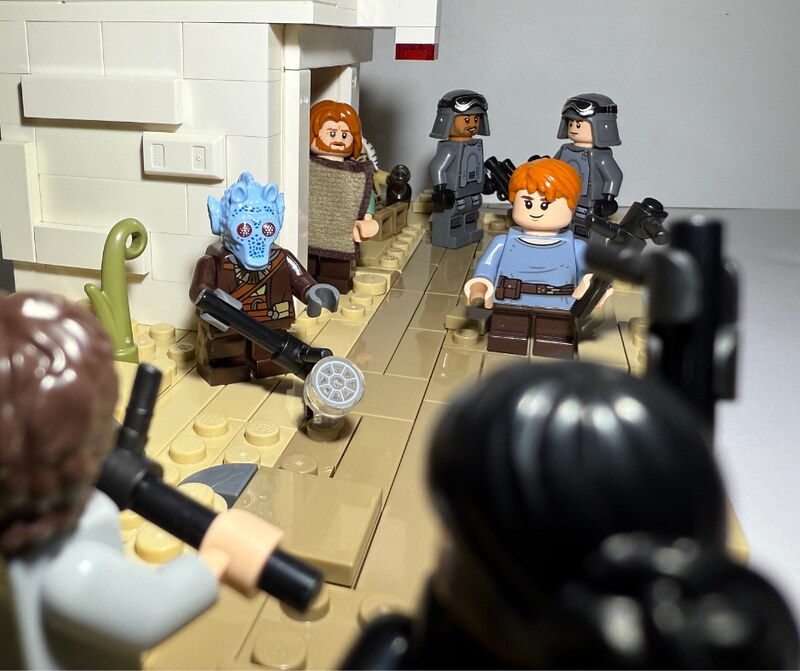
For the Protectorate soldiers assigned to Shoreside, these moments offer a strange contrast to their usual duties. A few troopers sit with refugee children and play Botekin, turning their weapons and armor into something almost entirely forgotten for a few minutes. The children laugh as they play, seemingly unconcerned with the uniforms sitting around them. For a moment, Camp 49 feels less like a refugee facility and more like a temporary town.
Rheiker watches the scene from nearby. These are the moments that make the Protectorate's refugee program seem worthwhile. The people here are not simply numbers on intake manifests; they are families attempting to rebuild their lives. But the captain also knows that this fragile normalcy depends upon dozens of organizations working together, and not all of them share his soldiers' understanding of what these people need.
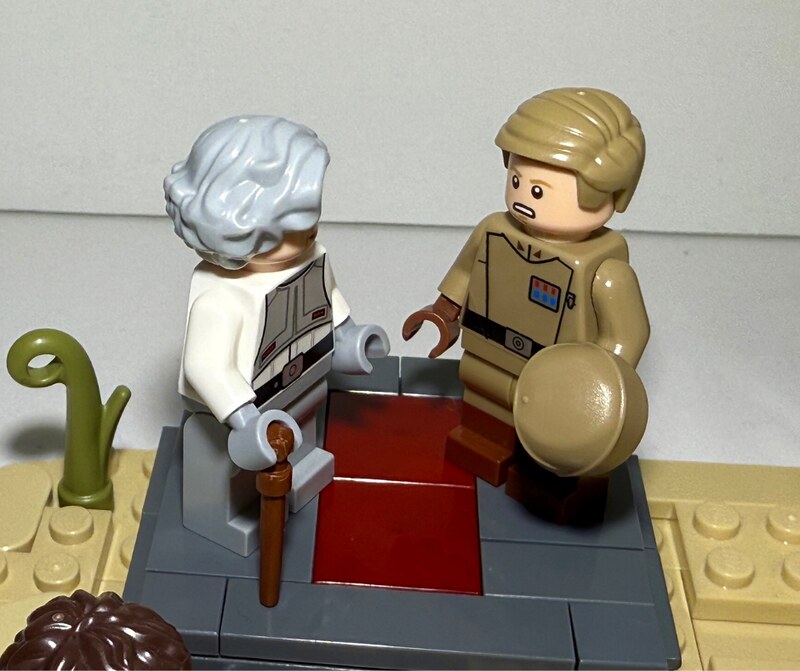
Later, Rheiker speaks with one of the camp's teachers near the children's shelters. She explains that the refugees are desperate for more than food and shelter. There are children who have missed months or even years of schooling, adults who need employment, families waiting for medical treatment, and former Imperial citizens who have no idea where they will eventually be resettled. Camp Shoreside was supposed to be temporary, but for some families, temporary is beginning to feel permanent.
The teacher has submitted requests for additional supplies and personnel, but many have disappeared into the camp's bureaucracy. Resources are allocated according to quotas and administrative priorities established by the organizations overseeing the facility. COMPNOR handles much of the documentation and internal administration, while other needs are passed between the military, civil services, and contracted organizations. Everyone has responsibilities. Somehow, no one seems entirely responsible.
Rheiker listens carefully. He can deploy soldiers. He can secure a building. He can stop a riot. But he cannot order COMPNOR to approve additional teachers, nor can he command civilian departments to change their priorities. His authority ends at a boundary that becomes increasingly frustrating to see. For the first time, Rheiker begins wondering whether the camp's problems are simply the result of an overwhelmed system, or whether someone is deliberately taking advantage of the confusion between its many authorities.
Posted : 21/09/2026 3:47 am
 258
258
This entry earned 5 XP!


Posted : 01/10/2026 11:56 pm